Author Archives: R-B

Arduino clock with MP3 alarm
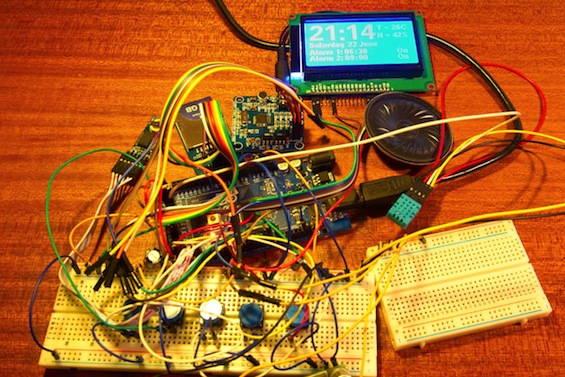
Here’s a very nice digital alarm clock using Arduino and VS1053 MP3 decoder board. VS1053b is a single-chip MP3/AAC/-WMA/MIDI audio decoder that contains a high-performance, proprietary low-power DSP processor core VS DSP4, working data memory, 16 KB instruction RAM and 0.5+ KB data RAM for user applications running simultaneously with any built-in decoder, serial control and input data interfaces, upto 8 general purpose I/O pins, an UART, as well as a high-quality variable-samplerate stereo ADC (mic, line, line + mic or 2×line) and stereo DAC, followed by an earphone ampli?er and a common voltage buffer. This project uses 128×64 GLCD for display and a DS3231 module for timekeeping.
MP3 Alarm Clock

The mp3 file to be played is stored into a SD card which is interfaced to the Arduino through SPI pins.
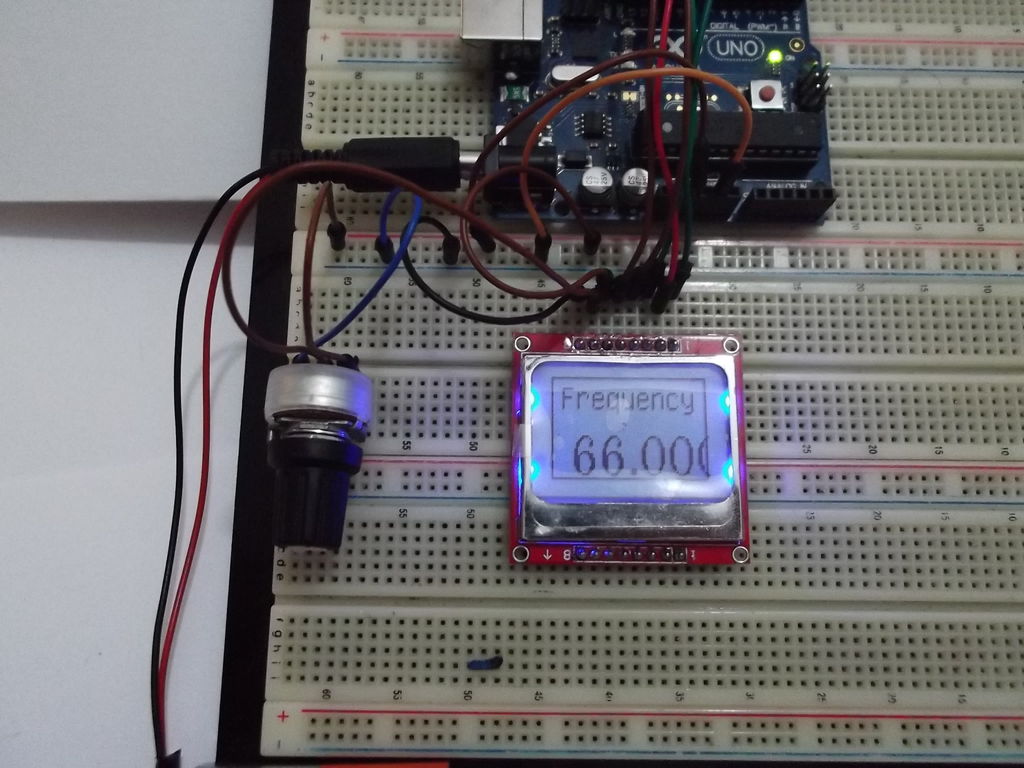
DIY FM transmission station using Arduino

This project describes an Arduino-based FM transmission using the KT0803K Digital Stereo FM Transmitter Radio-Station-on-a-Chip. The KT0803K device is designed to process high fidelity stereo audio signal and transmit modulated FM signal over a short range. It features an on-board 20-bit audio ADC and supports standard I2C interface for frequency setting and power control.

Arduino powered FM transmitter

The project uses the Nokia 5110 GLCD for display and a potentiometer for varying the frequency of FM transmission.


Two way Bluetooth between Arduino and Android

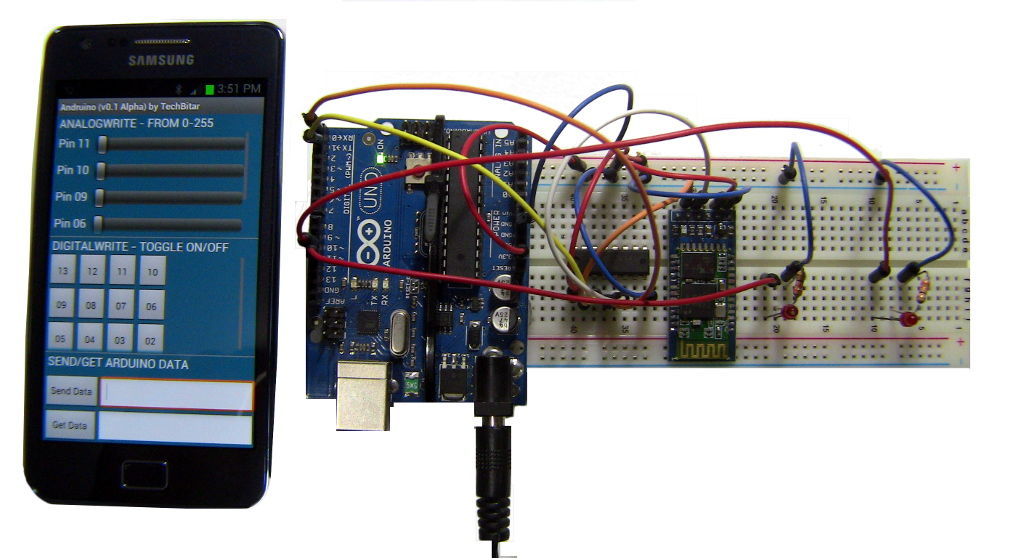
This instructable describes an Android application named Andruino that can be used to control an Arduino board from an Android phone. It’s both an Android app and an Arduino program, and provides a simple user interface to control Arduino’s digital and PWM, send text commands to Arduino, and receive data from  Arduino over Bluetooth serial using the popular and inexpensive HC-05 Bluetooth serial module.

Two way communication between Android and Arduino

Building a simple digital light meter using Arduino and BH1750FVI sensor

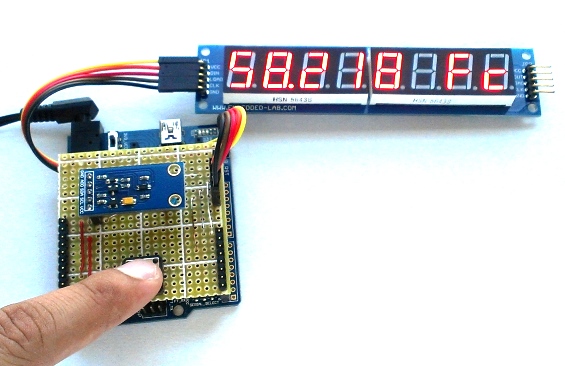
A light meter is a device that measures the intensity of light. It finds applications in schools, hospitals, production areas, passageways and more to measure and maintain proper lighting levels. It is often used by photographers to determine the proper exposure for a photograph. Today we are going to build a simple light meter using an Arduino board and a BH1750 digital light sensor. The measured lighting level or intensity is displayed on eight seven segment LED displays, in both Lux and Foot-candle units.

Digital Light Meter using Arduino and BH1750FVI sensor

Read more

« Older Entries Recent Entries »