Author Archives: R-B

Low cost temperature data logger using PIC and Processing
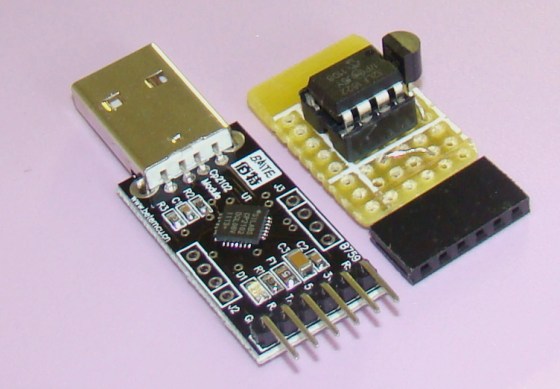
This project describes an easy and inexpensive way of adding a digital thermometer and data logging feature to a PC. It involves a PIC microcontroller that gets the surrounding temperature information from the Microchip MCP9701 sensor, and sends it to a PC through an USB-UART interface. The USB port of the PC is also used to power the device. The open-source Processing  programming platform is used to develop a PC application that displays the temperature in a graphics window on the computer screen. The PC application also records the temperature samples plus date and time stamps on an ASCII file.
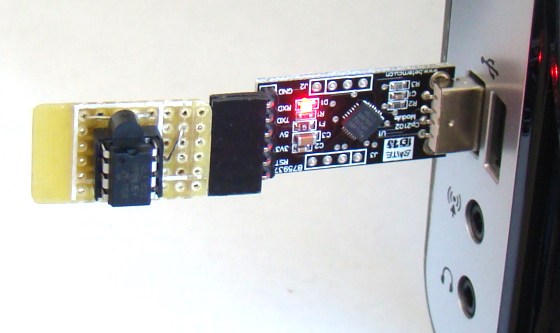
PC-based temperature data logger
Read more

Introducing the AmiPIC18 LCD shield

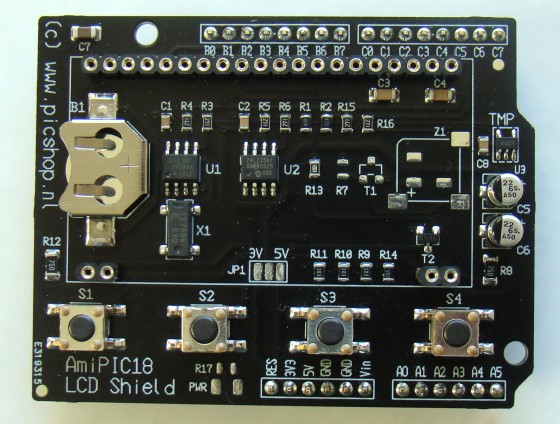
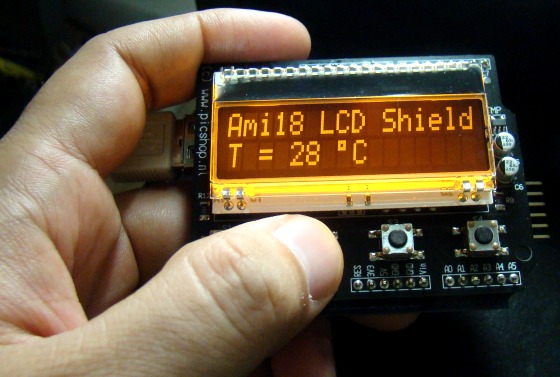
Last month I reviewed the Amicus18 development board, which is an Arduino-style platform with a PIC microcontroller. The Amicus18 board is physically compatible with Arduino shields. However, the default PIC processor on the board is a 3.3 V type, which could be an issue while interfacing some of the shields that strictly operate at +5V. As a support to the users of the Amicus18 development board, Gevo Electronics from The Netherlands has designed a special shield, named AmiPIC18 LCD. Although the name says it is a LCD shield, but in real it provides a lot more features, which we will be exploring in this article.

AmiPIC18 LCD shield from Gevo Electronics

Read more

MikroElektronika releases EasyPIC v7

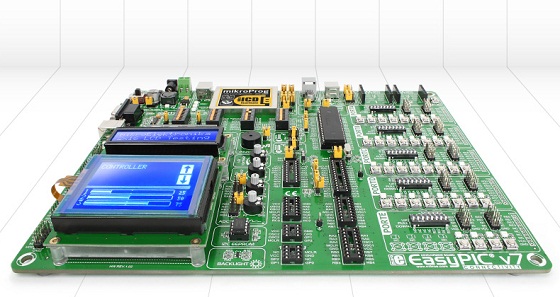
MikroElektronika has just released EasyPIC v7, a latest edition to its successful EasyPIC series development boards for PIC microcontrollers.

EasyPIC v7

” This is a very special day for us. We are excited and honored to present you with the new version of our famous brand – EasyPIC v7 is here!

We’ve asked ourselves what can we do to improve such an amazing board as EasyPIC6, and even if it seemed like a tough assignment, we have done some outstanding interventions in design and functionality, and made a new board no one can stay indifferent to.

For the first time in EasyPIC’s almost 10-year history, we’ve grouped PORT headers, LEDs and Buttons in an Input-Output groups, thus making them easier to use than ever before. We’ve equipped the boards with tri-state DIP switches, so placing pull-up or pull-down jumpers to desired pins is now just a matter of pushing the switch.

More at:

http://www.mikroe.com/eng/news/view/363/easypic-v7-is-released/

Make your own animated LED Christmas sign

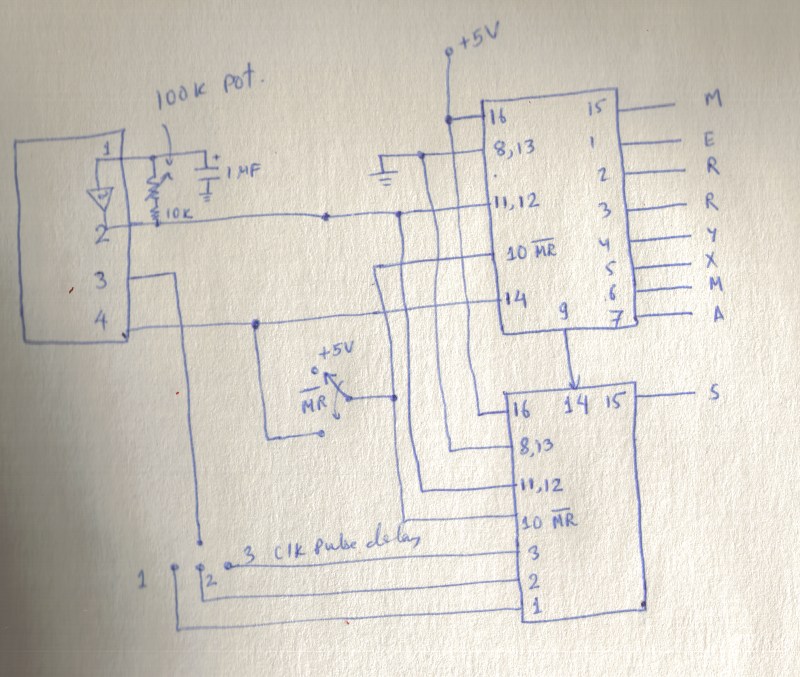
Last year I made a simple LED Christmas sign with very basic animation effects controlled by a PIC MCU. One of my friends, who visited us during the last Christmas, liked it and asked me the recipe of the project so that he could make something similar to decorate his front porch during the next Christmas. In response I gave him the link on my blog where I have described the details of the project. As Christmas is just couple months away, I got an email from him two weeks ago, saying that he has just started working on the project. He followed everything in the recipe that I have described on my blog except the PIC programming part, which he has never done before. I told him that I can send him a programmed PIC processor but he didn’t seem happy with that. In his own words, ” I don’t want any black box in the project, I want to enjoy building every part of it”. Then I had to find an alternative way of running the LED Christmas sign without using a microcontroller. So, here I am revising my previous LED Christmas sign project by replacing the PIC16F688 microcontroller in the original circuit with digital logic ICs (74HC595 and 74HC14 ). I have also added flashing LEDs around the edges of the sign to make it look more attractive.

Christmas LED sign

Read more

DIY plug-in modules to make microcontroller breadboarding easier

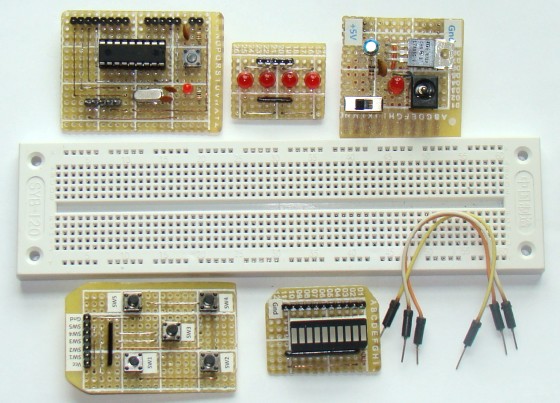
Breadboards are a great tool for prototyping and testing electronics circuits. Here I am sharing with you some plug-in modules that I once made to make my breadboarding life easier. I have used these modules many times in the PIC experiments described in this blog. These modules  serve very common functions that are required in most microcontroller circuits. Their use not only reduces the number of wire connections on breadboard, but also expedites prototyping and makes debugging of the circuit easier.

Plug-in modules for easy microcontroller breadboarding

Read more

« Older Entries Recent Entries »