DIY GSM cellphone using Arduino
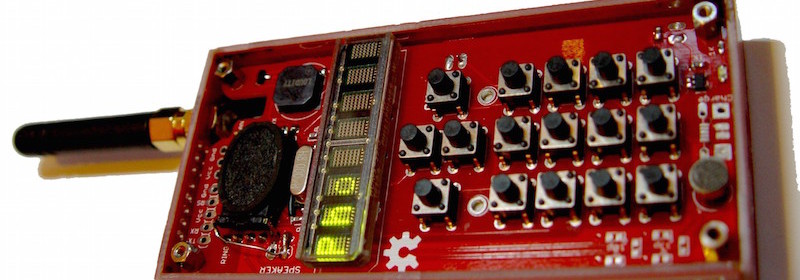
A very simple DIY GSM phone designed by bobricius using Atmega328 and SIM800L Quad-band GSM/GPRS Breakout Module. The phone uses Avago HCMS 8 digit display and 16 keys for dialing numbers. The current firmware can perform basic tasks like answering to incoming calls, dialing a number, display battery, signal and network status.

Read more
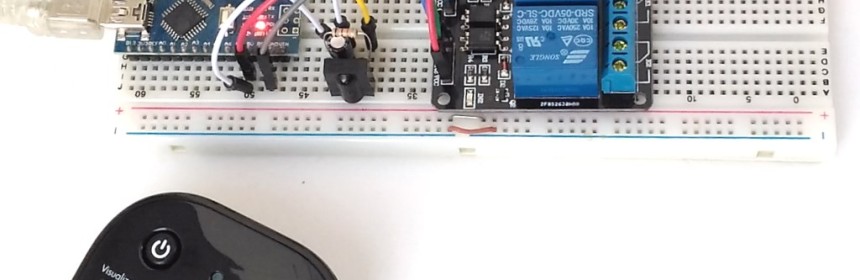
Controlling relay switches with an infrared remote

The infrared (IR) communication technology, which existed long before WiFi and Bluetooth, is still a key component in implementing major components of a typical home automation system. For example, IR technology is still used in cordless headphones, for intrusion detection in home security systems, and in handheld remotes for controlling home entertainment systems (TV, DVD, soundbox, etc), air-conditioning units, and other household appliances. Because IR technology requires a line-of-sight between the transmitter and receiver units, it can only be used for connecting devices in short range, like in a same room. In one of my previous articles, I wrote about a simple IR

Read more

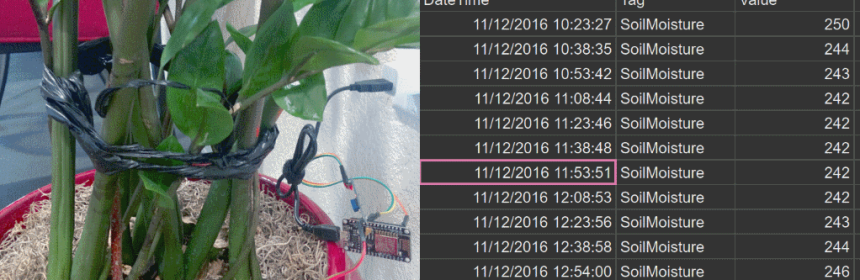
How to post data to Google sheets using ESP8266

In the past couple years, the ESP8266 platform has flourished dramatically and emerged as one of the most popular hardware tools among electronics hobbyists and IoT enthusiasts. Packed with a 32-bit RISC CPU running at 80 MHz, a fully integrated WiFi radio with TCP/IP protocol stack, serial peripherals (I2C, SPI, and UART), an ADC channel, and general purpose I/O pins, the ESP8266 is the most integrated and affordable WiFi solution available in the current IoT market space. An ESP8266 hardware, like NodeMCU and ESP-01, can directly interface with sensors using its peripherals and upload the sensor measurements to a local

Read more

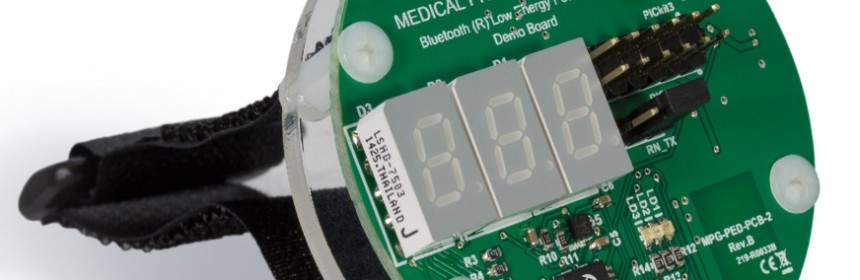
Bluetooth enabled pedometer design

Microchip provides an application note describing a Bluetooth Low Energy (BLE) enabled pedometer example that uses an MSP430F5229 reference pedometer design  is a portable electronic device that uses PIC16LF1718, a cost effective 8-bit microcontroller with extreme low power (XLP), the Microchip RN4020 Bluetooth 4.1 Low Energy Module, and the Bosch Sensortec BMA250E digital triaxial accelerometer. The pedometer can be worn on the wrist like a bracelet/watch and the on-board RN4020 BLE module allows the pedometer demo to communicate with a smartphone or tablet on which the user’s exercise progress can be tracked. The pedometer demo is powered by a single 3V coin lithium battery (CR2032). The Microchip pedometer demo uses

Read more
« Older Entries Recent Entries »