Speech recognition using Arduino and BitVoicer Server
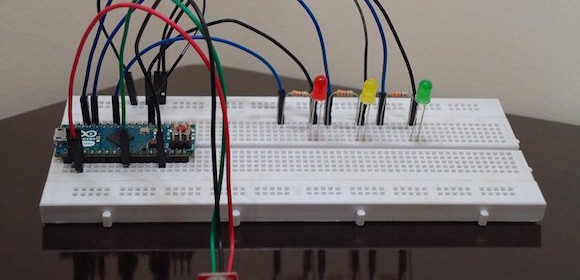
Marcio Yamagushi illustrates in this example how to use Arduino with the BitVoicer Server in order to implement speech recognition in your Arduino Project. In his demo, he controls multiple LEDs with voice commands. The following procedures will be executed to transform voice commands into LED activity: Audio waves will be captured and amplified by the Sparkfun Electret Breakout board; The amplified signal will be digitalized and buffered in the Arduino using its analog-to-digital converter (ADC); The audio samples will be streamed to BitVoicer Server using the Arduino serial port; BitVoicer Server will process the audio stream and recognize the speech

Read more
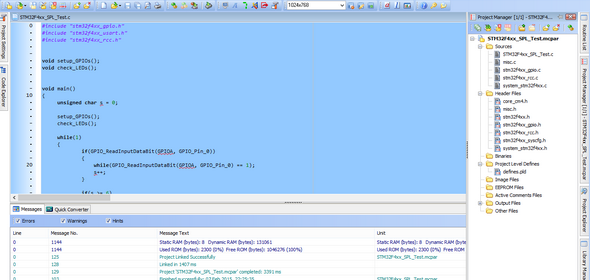

Integrating STM32F4xx Standard Peripheral Library with MikroC Pro for ARM

STM32F4xx series micros are far more advanced than anything else similar in the market. Apart from being fast 32-bit MCUs, STM32F4s have rich hardware peripheral support with DSP engine bonus. In terms of capabilities versus price tag, STM32F4s are all-square-winners. In recent times there’s a surge in the STM32 user community. STM32 Discovery boards are proliferating like never before. In several occasions recently, I received tangible amounts of queries from readers regarding integration of STM32F4xx Standard Peripheral Library (SPL) with MikroC Pro for ARM and so even though it is not one of my mainstream posts on STM32 ARMs, I

Read more

PiNoculars – A Raspberry Pi powered Binoculars

Joshdont has shared his Pinoculars- a raspberry pi powered binoculars project on Instructables: Strap a Raspberry Pi 2 + Camera to a pair of binoculars (or telescope, microscope, etc.) and use one of adafruit’s touch LCDs + custom raspbian image to view and take pictures. (Scroll through the photos above for examples / comparisons) This project takes more time, money and is clunkier than if you were to purchase a commercial product. You’re probably not on instructables because you wanted to buy a solution ; ) There are two sets of instructions here! See the images and video above for

Read more

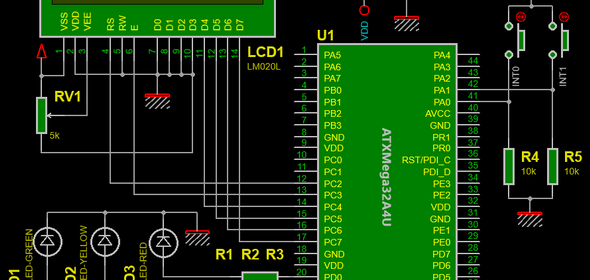
XMega External Interrupt

External interrupts are a must have feature in any microcontroller. Interrupts solve a lot of problem that would have otherwise been dependent on polling methods. For instance when we press the volume up key of a TV tuner’s remote controller, the remote controller quickly responds by transmitting the volume up command to the TV set and in turn the TV’s volume increases. This fast response is due to external interrupt issued by the remote’s button to the microcontroller it is connected to. If, however, all the keys of the remote were regularly and frequently scanned and then responded up on

Read more
« Older Entries Recent Entries »