Aviation band VHF receiver

The aeronautical VHF band ranging from 118 to 137 MHz is the primary band used for aviation related communications. Dilshan R Jayakody’s new project is a simple radio receiver which is capable to receive audio communication between pilot and air traffic controller in the VHF aviation band. The receiver is based on Samsung’s KA22429 IC, which is a complete device for making a portable FM radio receiver. Dilshan writes, The dimension of PCB of this receiver is 70mm × 45mm and all the components except KA22429 are standard through-hole type. For the optimal results we recommended to use high gain audio power amplifier

Read more

Automatic fish feeder with portion control
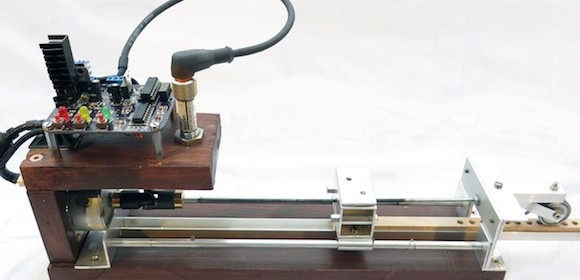
Dimitri from Stuttgart, Germany has made this automatic fish feeder for his special fish who needs extra care for not being overfed. So he wanted a fish feeder with reliable portion control, which he found missing in most of the existing automatic feeding devices, leading him to make one by himself. He used MSP430 as the main controller in his automatic fish feeder. A stepper motor driven by L293NE is used to control the mechanics of automatic feeding and portion control. Three tact switches are used for user inputs, whereas for visual indication of the device functioning, three LEDs are

Read more
STM32 Serial Communication

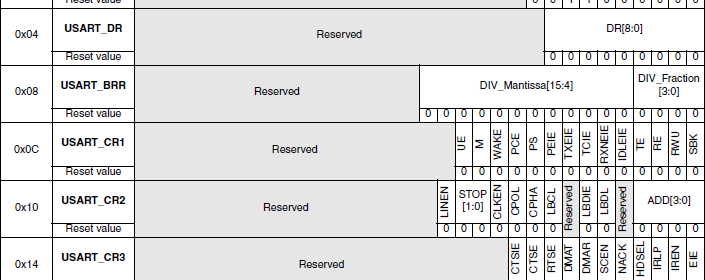
STM32 micros just like any other micro provide hardware for serial communication. As we all know serial communication is a very important tool for debugging, connecting with external hardware like RFID, GPS, GSM modems, etc. and for performing other communication-related tasks. STM32s have several hardware serial (USART) ports. The number of ports available in a STM32 micro is dependent on device family type and the device itself. Typically there are at least 5 serial ports. Apart from the basic serial communication needs, STM32’s USART hardware also have support for LIN, one-wire, smart card protocols, SPI and IrDA. We can even

Read more

Porting ST Standard Peripheral Library (SPL) with MikroC PRO for ARM

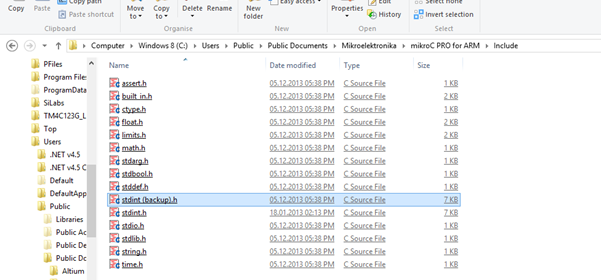
What is this Standard Peripheral Library (SPL)? It’s just a collection of hardware libraries that provide an easy approach to any STM32 ARM programmer. It has support for every peripheral a STM32 micro has like CAN, USB, ADC, Timers, etc. In short it’s a hardware abstraction layer fully covering the STM32. Why use the ST SPL? Reduce coding time by spending less time figuring out 32 bit register values and going through a near thousand page reference manual. Take the advantages of the built-in code library of MikroC which other compilers don’t offer. SPL is used by most STM32 ARM

Read more

Software realization of Real-Time Clock and Calendar

Dedicated real-time clock and calendar (RTCC) chips are useful in a wide range of embedded applications, such as data loggers, for accurate time-stamping of data measurements. The use of external RTCC chip frees the main processor from timekeeping responsibility and to perform other critical tasks. However, for small applications the software realization of RTCC in the main application can simplify the design and reduce the overall cost of the system. This application note from Microchip describes the implementation of software RTCC using PIC16F1827 microcontroller. The implementation provides the time (seconds, minutes, and hour), date (day, month, and year), day of week, and one alarm signal. The

Read more
« Older Entries Recent Entries »